Soil pH and Why it Matters
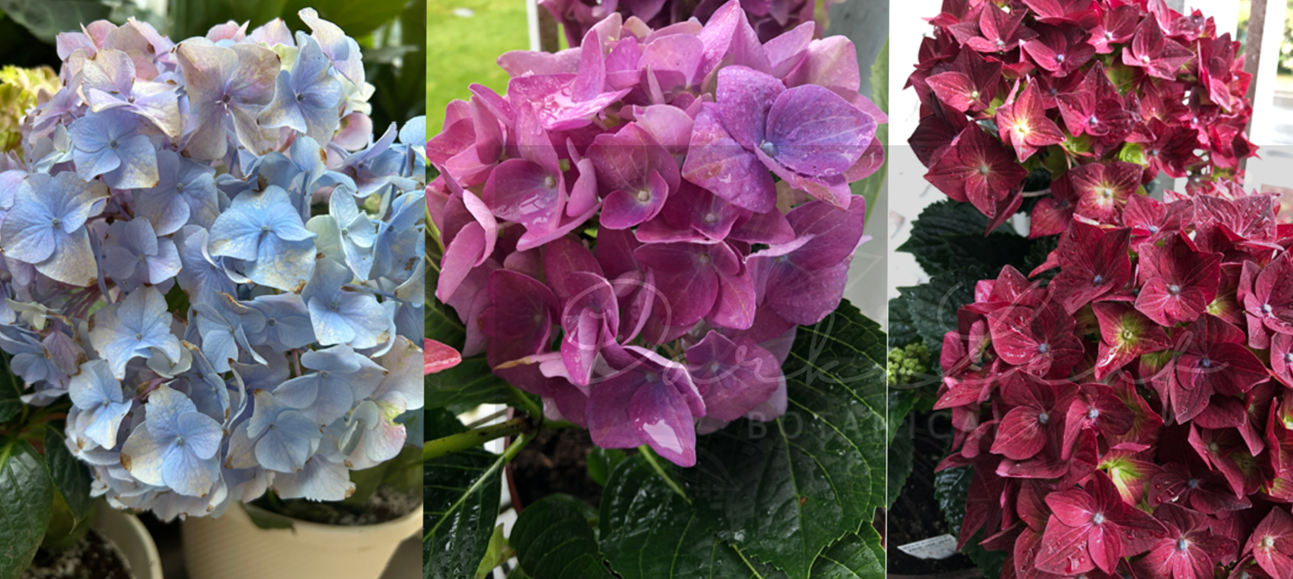
An excellent visual example of pH is with hydrangeas.
Depending on the soil, they range from blue to purple to pink to red.
Blue= pH 4.5
Purple= pH 5.5-6.0
Pink= pH 6.5
Red= pH 7.0
New Mexico outdoor soil errs on the side of alkaline. This is partially why it isn’t a great idea to dig some dirt out of your yard for your indoor tropical plants; however, some vegetable and herb crops do well when planted outside in that same dirt. pH requirements differ between plant varieties.
Rock/mineral content as well as rainfall and surrounding foliage all contribute to soil pH. High lime content makes soil more alkaline, while more granite makes soil more acidic. If the soil is used for crops or other plants already, the breaking down of that plant matter increases soil acidity over time. A good example would be pine needles. As pine needles and branches break down, they release CO2, which causes the soil to become more acidic. The soil in the forested mountains tends to be more acidic because of this.
Nutrients like nitrogen also affect soil pH. Some nutrients raise or lower pH, and some work symbiotically (together) to neutralize it.
For example, with agents containing lime, it’s important to use fluid or pelletized, because other forms break down into separate ions that neutralize each other.
Making sure your nutrient levels are where they need to be ensures your plants are getting what they need.
Indeed, chemistry plays a huge role in soil health.
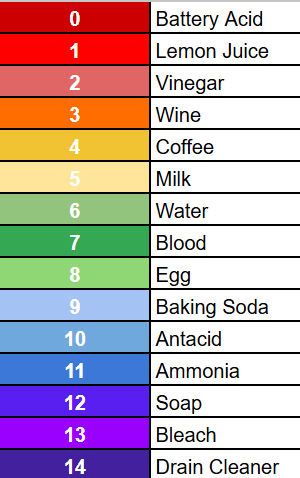
This image shows the range from Acidic (0) to Alkaline (14), where Neutral is 7
Acidic soil
- 4.5-7.0 -
Most of your tropical plants and succulents:
African violets, alocasias, anthuriums, orchids, fuchsias, hydrangeas, ferns, berry bushes, fruit trees, begonias, rubber plants, cactus, echeveria, sempervivum (hens & chicks).
Hydrangeas and berry bushes can handle down to 4.5, whereas tropical plants and cacti/succulents prefer between 6.0-7.0 (very close to Neutral).
-Vermiculite - Maintains soil’s acidity
-Fluval - Maintains soil’s acidity
-Coffee grounds - Used as a fertilizer to increase acidity; reduce alkalinity
-Soil sulfur pellets – Used to increase acidity; reduce alkalinity
Alkaline soil
– 7.0-8.5 -
Most of your outdoor plants and succulents:
Herbs, peas, asparagus, broccoli, cabbage, kale, brussels sprouts, root vegetables, lavender, lilac, sedum, yucca
Most herbs do well with higher alkalinity, between 7.5-8.5, while everything else prefers somewhere in the 7.0’s (very close to neutral).
-Lime and oyster shells – Used to make soil more alkaline; reduce acidity
- Egg shells - Used to make soil more alkaline; reduce acidity
summary
Most growers do not monitor soil pH regularly, but knowing about pH will allow for effective troubleshooting later in your plant journey.
For example, hydrogen peroxide is alkaline and often used for pest control. If applied too much, too often, it can disrupt the soil balance, damaging your roots and leaves.
Plants don’t survive on the far end of either spectrum; the goal is to create a balance. As you can see, there is overlap between acidic and alkaline plants right around Neutral (7).
There are a few different methods to test for pH. The most accurate way is is through either strips or a meter. Both can be found at the hardware store.
