Care Tips
How to make your plants thrive
Light, Soil, Humidity, Water, Temperature
-
![]()
Alocasia
VELVET VS. BULLATE VS. SMOOTH
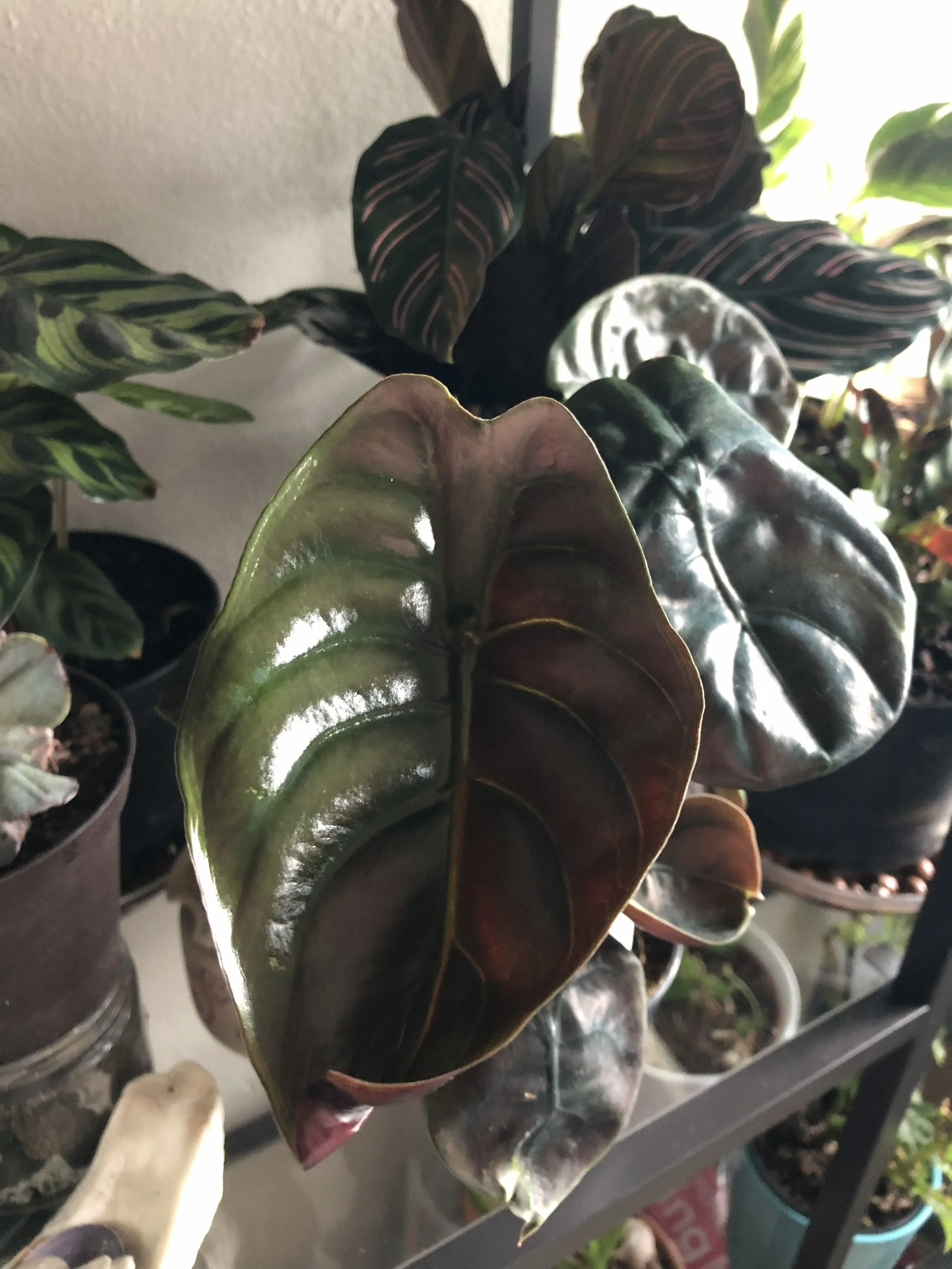
Some Alocasias have soft, velvety leaves, like the Black Velvet or Frydek. Some have bullate (puckered/quilted) leaves like the Silver Dragon or Sinuata, and others have smooth thin leaves like the Azlanii or Cuprea (pictured above).
As you may be able to see, characteristics sometimes overlap; for example, the Black Velvet is a little bullate in texture. This means it stores more moisture than the Frydek, which is more smooth.
Each variety of Alocasia requires its own specific care, but in general:
Velvety - Higher humidity, higher light and more soil moisture
Bullate - Higher humidity, higher drainage, moderate light, and less soil moisture
Rubbery - Lower humidity, lower light, and prefers to dry out a little between waterings; good for beginnersLIGHT
Bright, indirect. Can sometimes burn under high strength grow lights.SOIL
Fluffy, airy, moisture retentive. Should always be a little damp but with good drainage.Recommendations: Peat, pumice, bark, worm castings, fern fiber, charcoal, Fluval, chicken grit, sphagnum moss
HUMIDITY
60-80%WATER
Water when top 1 inch is dry.TEMPERATURE
65°F+SPECIAL CONSIDERATIONS
Especially hungry and thirsty plants.Self watering pots and frequent fertilization makes them happy.
Consistent temperatures are a must, as lower temperatures can cause dormancy and death of leaves.
-
![]()
Anthurium
VELVETY VS. BULLATE VS. SMOOTH
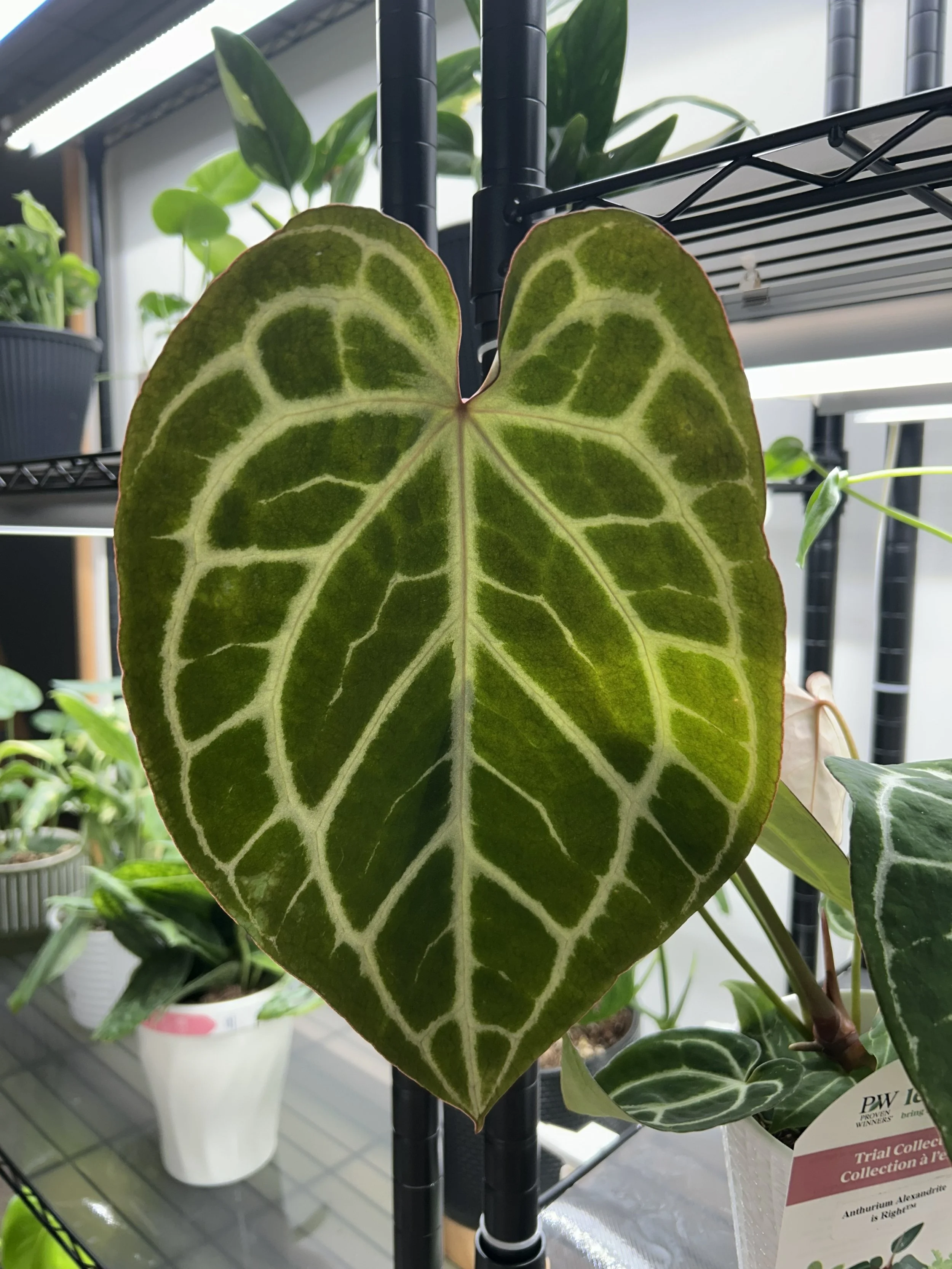
Anthuriums, like their Alocasia cousins, have various textures to their leaves, and each texture slightly alters how they respond to light and water.Velvety varieties like Magnificum are more tolerant of bright light but like higher humidity and more water. Bullate (puckered), like the Luxurians, are less tolerant of bright light and hate to be too wet. Smooth varieties like the Flamingo are more forgiving in all aspects. This makes smooth versions easier for beginners.
Velvety - Higher humidity, more water, more light
Bullate - High humidity, high drainage, less light
Smooth - Lower humidity, less water, less lightLIGHT
Bright, indirect. Bullate and smooth varieties can burn under strong grow lightsSOIL
Chunky and airyRecommendations: Bark, pumice, chicken grit, peat, fern fiber, charcoal, worm castings
HUMIDITY
50-65%WATER
When top 1-2 inch dryTEMPERATURE
65-85°FSPECIAL CONSIDERATIONS
Anthurium roots enjoy deep pots.Bullate types store water in leaves, so good air circulation in the room is a must.
-
![]()
Orchid
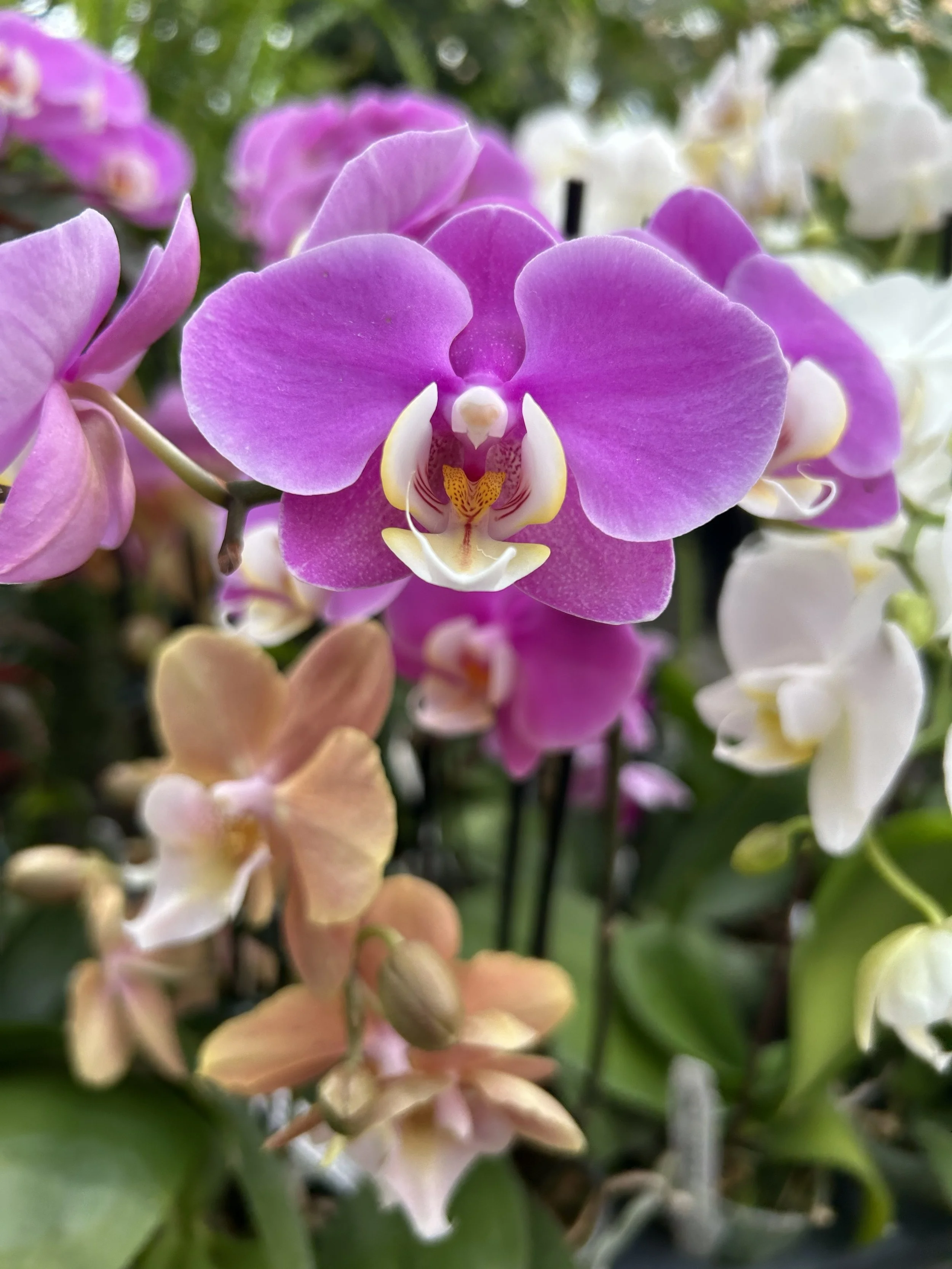
PHALAENOPSIS, CETTLEYA, DENDROBIUM, VANDA, VENUS, MILTONIA, ZYGOPETALUM, ONCIDIUM, CYMBIDIUM
Each orchid type is unique, but a good way to classify their care for a beginner is between three things:
1) Whether they store water for later
2) The type of leaves they have
2) The type of roots they havePseudobulbs -
If it has a large green bulb above the potting medium, it stores water.Leaves -
Thick green leaves like less moisture and moderate sun.
Thin green like more moisture and more sun.
Mottled (spotted) like more moisture and less sun.Roots -
Thick green/silvery - pull moisture from the air and require chunkier mixes.
Thin - pull moisture from the soil, and needs a finer soil with good airflowLIGHT
Thick green leaves - Moderate
Thin green leaves - Moderate to high
Mottled leaves - Low to ModerateSOIL
Thick roots - Chunky and airy
Bark, charcoal, sphagnum moss
Thin roots - Chunky, airy with extra water retention
Bark, charcoal, coarse fern fiber, sphagnum mossHUMIDITY
50-60%
(wiggle room available for specific varieties)WATER
No pseudobulb - consistently moist soil (like a wrung-out sponge)
Pseudobulb - can dry out a little, but substrate should always be a little dampTEMPERATURE
60-70°F
(wiggle room available for specific varieties)SPECIAL CONSIDERATIONS
Don’t be intimidated. Start small, with a Phalaenopsis, then work your way up to other varieties.The flowers grow in cycles. Most orchids only bloom 1-2x per year. Sometimes not at all.
In New Mexico, orchids need more water and better water retention in the potting mix.
Avoid getting water between the leaves
More info coming to the Blog page soon, including ways to troubleshoot issues.
-
![]()
Jewel Orchid
LUDISIA, ANOECTOCHILUS, GOODYERA, MACODES
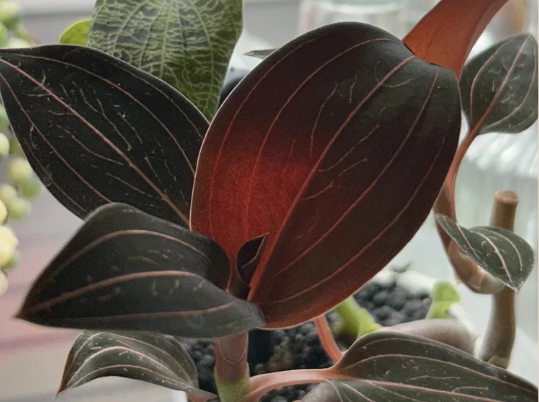
Jewel orchids are a whole different animal of orchid. Their velvety leaves have stunning, sometimes glittery patterns. Requiring high humidity, these plants are great for terrariums, as long as there’s a vent in the top. They perform much more like a tropical foliage plant, and they bloom with tiny, beautiful flowers.
All jewel orchids are terrestrial, forest floor dwellers and grow in a vining/creeping pattern.LIGHT
Medium to low. Grow lights will bleach leaves, and bright window light can scorch leaves.SOIL
Fine, moisture-retentive but airy.
Recommendations: Tree fern fiber, fine orchid bark, pumice, fine sphagnum moss, Fluval.HUMIDITY
55-75%WATER
Damp sponge-like, not wet, not dryTEMPERATURE
65-80°FSPECIAL CONSIDERATIONS
Humidity domes and pebble trays are all helpful to keep the humidity up.Some jewel orchids are fussier than others, while some, like the Ludisia Discolor (pictured above) is a little more forgiving.
I like to grow my jewel orchids under a dome in just Fluval.
-
![]()
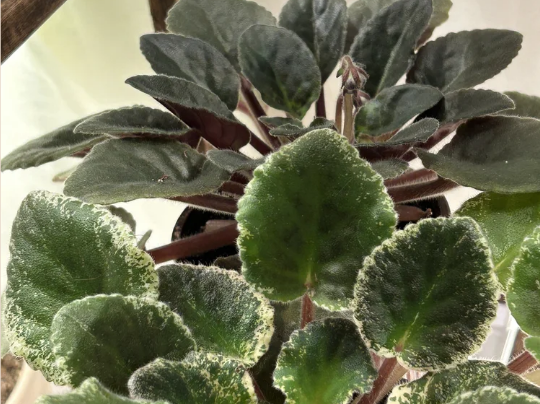
African Violet
African Violets come in many colors and patterns, both on their leaves and their blooms. With a proper combination of light, soil, moisture, ventilation and fertilization they can bloom multiple times a year.
They do very well on windowsills, or set just a little ways back, on the counter where the light can reach. Grow lights are a no-go for their sensitive leaves. You’ll know if your violet is getting too much light because the leaves growing from the crown will start to get tiny and bleached. Not enough light and the leaves will start reaching and stretching.
Humidity is not that big of a deal with African Violets, making them a really good addition to New Mexico homes.LIGHT
Medium, indirectSOIL
Light, spongy with good drainageRecommendations: Peat, pumice, chicken grit, fine fern fiber, worm castings, charcoal/Biochar
HUMIDITY
40-60%WATER
Bottom watering, wick watering and self watering pots are all great. They don’t like to be dry, but they don’t like to be wet either; damp is good (with good room ventilation)TEMPERATURE
65-80°FSPECIAL CONSIDERATIONS
African Violets like to be slightly rootbound, so don’t size up too much with pots.Their leaves like to be dry; do not mist or water the leaves.
-
![]()
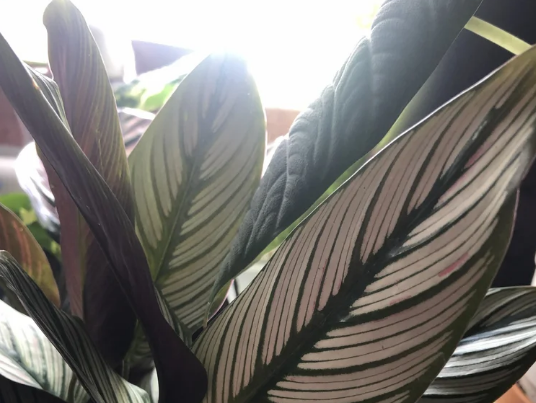
Calathea
PRAYER PLANTS
Named after the movement of their leaves, like praying hands, Calatheas leaves are gorgeously ornamental. For New Mexico dwellers, however, they are considered an advanced plant. Best to have a pebble tray and humidifier nearby at all times for larger versions. Smaller specimens can be kept in terrariums, domes, or with a pebble tray.
LIGHT
Bright, indirectSOIL
Moisture-retentive but airyRecommendations: Bark, pumice, chicken grit, peat, fern fiber, charcoal, BioChar worm castings
HUMIDITY
60-70%+WATER
Frequently. Don’t keep soggy but keep moist all the way through; no drought cycles
Self-watering pots are idealTEMPERATURE
65-80°FSPECIAL CONSIDERATIONS
Grouping plants together helps increase ambient humidity.These plants, depending on variety, are bug magnets. Treat frequently with a natural pesticide like neem oil or diluted peroxide; both in the soil and on the leaves.
Don’t over-fertilize. Their roots are sensitive.
They sound like a lot of work—which they are—but they’re highly rewarding, some of the most beautiful plants in existence.
-
![]()
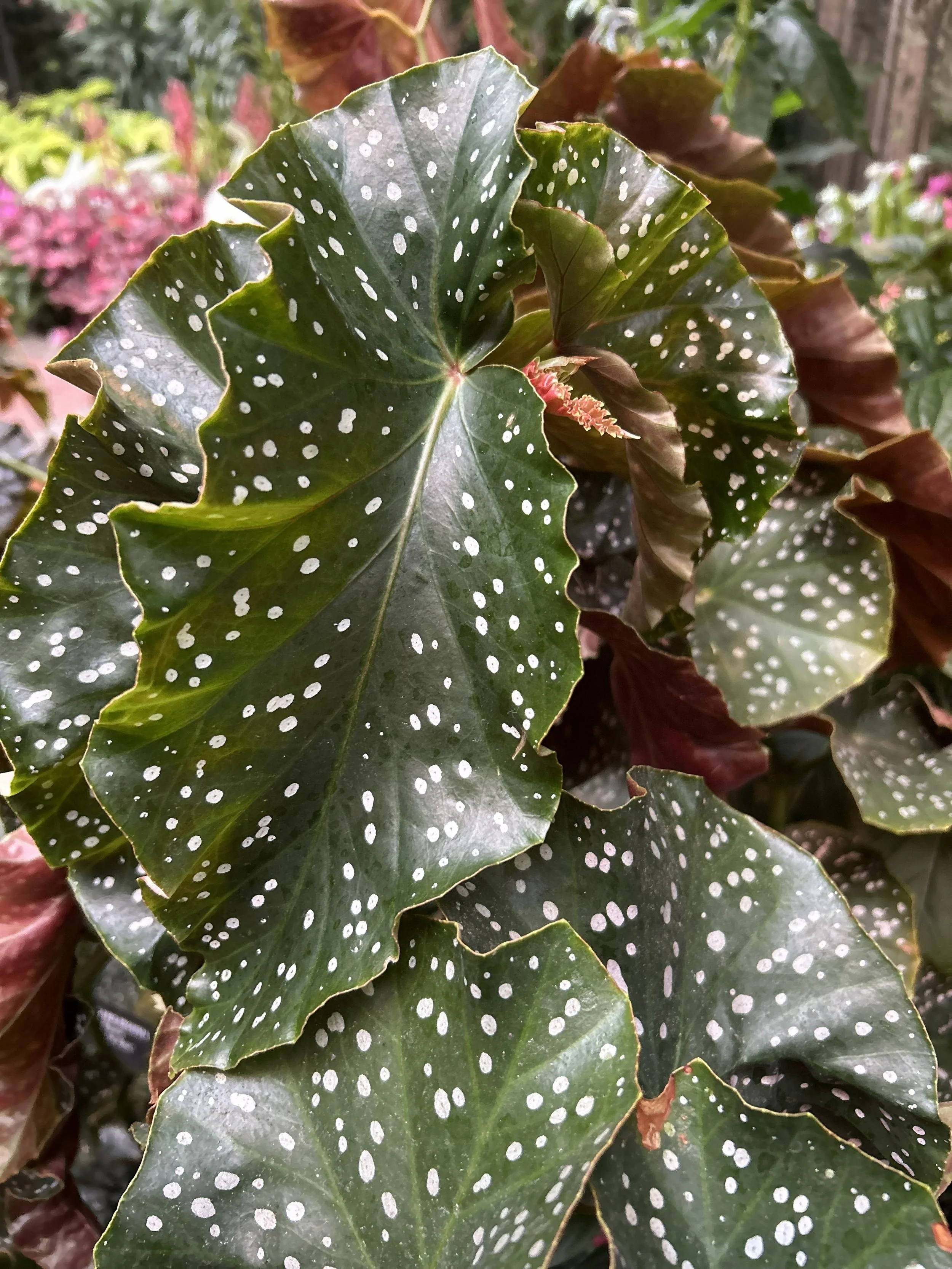
Begonia
There are so many different varieties of begonia. Some have showstopping leaves with crazy colors and patterns, while others have modest leaves with large colorful blooms. Some are better for indoor while others are able to live outdoor, even in New Mexico. Wax begonias specifically can survive in your garden bed well into the Fall, as long as it’s located in a shaded area.
LIGHT
Soft, indirect. Most begonias don’t do well with any kind of direct lightSOIL
Moisture retentive and airy
They hate their roots being wetRecommendations: Bark, pumice, chicken grit, peat, fern fiber, worm castings
HUMIDITY
40-70%WATER
Bottom watering is best, once top 1 inch is dryTEMPERATURE
60-80°FSPECIAL CONSIDERATIONS
Begonias need humidity, whether that’s from a humidifier or frequent mistings. .
They would do really well in a bathroom with a small frosted window.Large plants may need support from stakes and ties
-
![]()
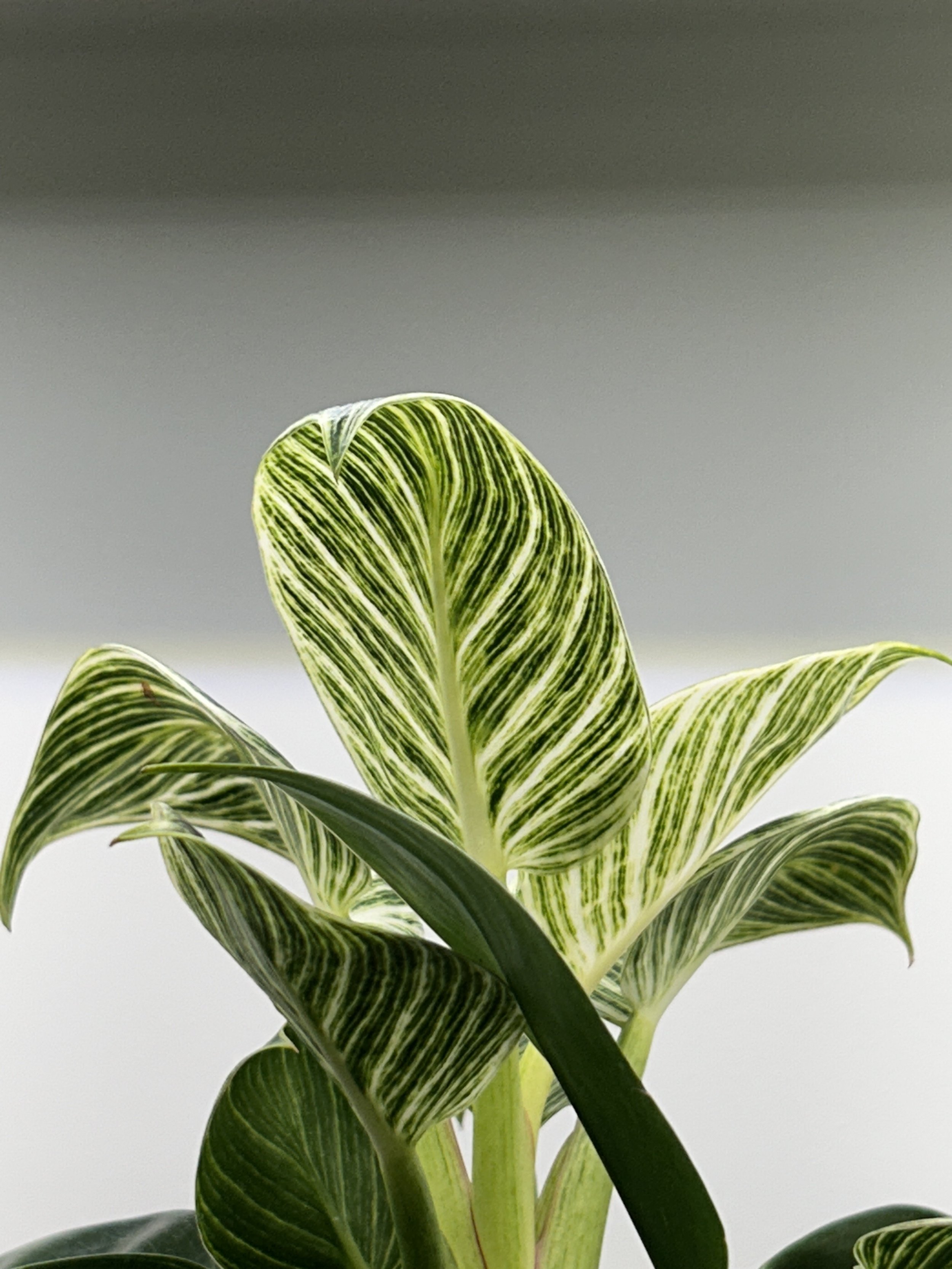
Philodendron
Philodendrons are one of the easiest tropical plants to grow indoors, especially in New Mexico. Non-fussy, easy to water on a schedule, and versatile with some sun-loving varieties and some lower light varieties. If you want a beginner plant, this is one of the best choices.
LIGHT
Bright, indirect. Mostly love grow lights but tolerates medium to low lightsSOIL
Loose, chunky, well-drainingRecommendations: Peat, pumice, bark, worm castings, fern fiber, zeolite, charcoal, Fluval, chicken grit, sphagnum moss
HUMIDITY
40-60%WATER
Water when top 1-2 inches are dry, every 7-14 daysTEMPERATURE
65-85°F+SPECIAL CONSIDERATIONS
Many varieties like to climb, so they may need stakes or a moss pole.You can prune to shape and maintain fullness.
If the leaves grow too far apart (leggy), increase the light.Even though it isn’t completely necessary, they enjoy being misted
-
![]()
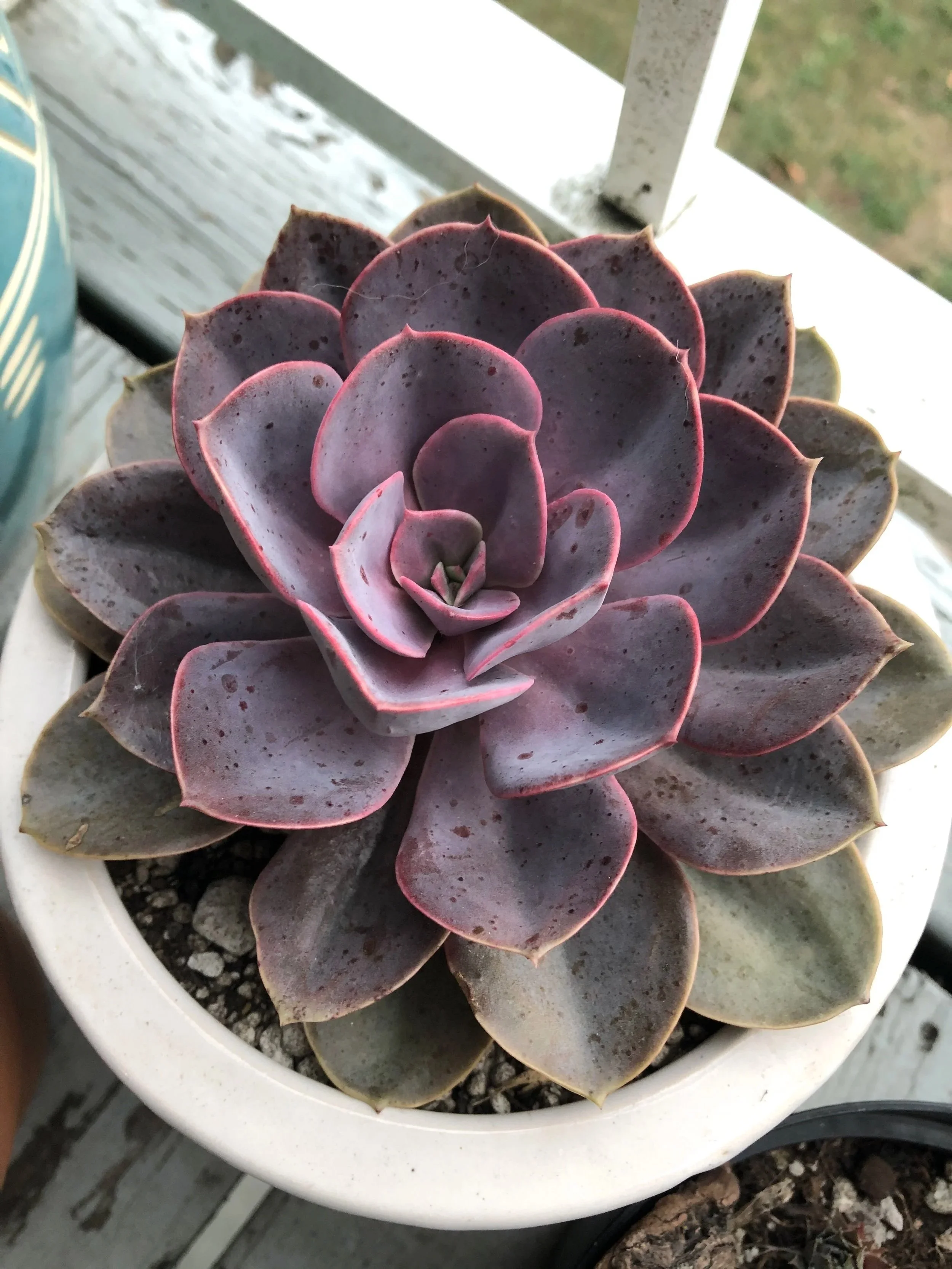
Succulent
ECHEVERIA, SEMPERVIVUM, PACHYPHYTUM, GRAPOPETALUM, SEDUM, CRASSULA, AEONIUM, ALOE, AGAVE, HAWORTHIA, YUCCA
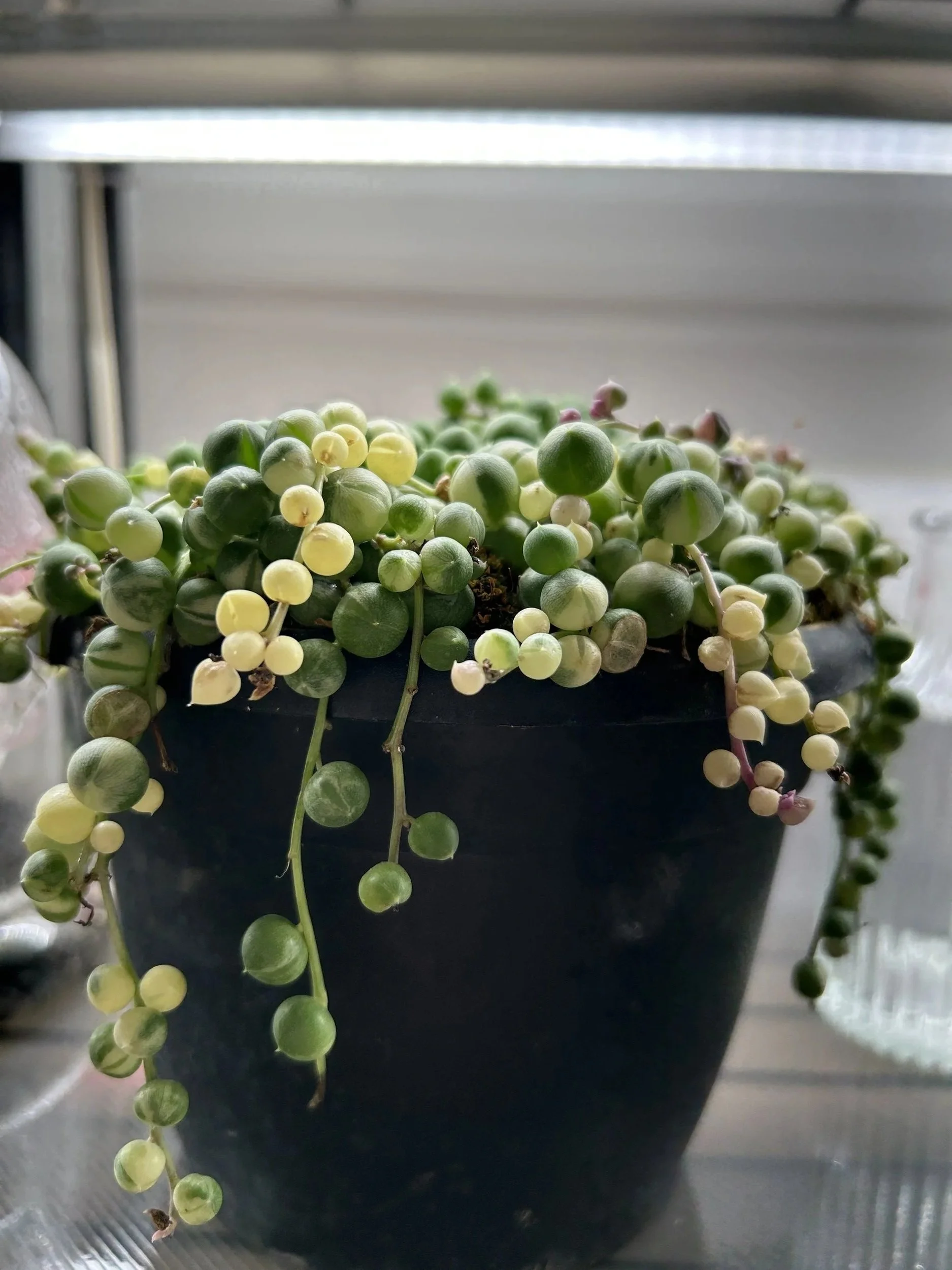
There are so many different varieties of succulent, falling into roughly 3 categories: rosette, trailing, and columnar.
ROSETTE
These succulents look like flowers, like Echeveria and Sempervivum. They’re wide and compact. These require a lot of sun, although in New Mexico, some can burn if outside too long. South windows are fine, but sometimes still not enough. Grow lights are ideal because they provide bright, overhead light without being too harsh. Succulents should dry out completely between waterings.TRAILING
These varieties have soft stems and are great for hanging baskets, like String of Pearls. They require bright overhead light and bottom watering. They will waterlog and shrivel if water is left to sit on top of the soil. Soil needs to be slightly more moisture retentive.COLUMNAR
These are tall, upright-growing, like Aloe and Jade Plants. Generally more drought-tolerant
———————-
LIGHT
Bright, indirect for most varieties
Bright, direct for Sempervivum, Sedum, Yucca, Agave, and CactusSOIL
Gritty, fast-draining
More moisture-retentive for trailing varietiesRecommendations: Pumice, lava rock, bark, charcoal, zeolite, chicken grit, Black Gold Cactus Mix
HUMIDITY
LowWATER
Water when completely dry, every 4-6wks.
If leaves are soft or wrinkled, it’s time to water.TEMPERATURE
65-90°F+SPECIAL CONSIDERATIONS
In New Mexico, terracotta isn’t always better. Plastic or ceramic pots work well.Always use drainage holes
Most have shallow roots and like to be snug, so smaller pots are ideal
Haworthia, Agave, and Aloe tend to have robust root systems, so they need deeper pots.
Rotate plant pots for even growth; succulents reach toward the sun
-
![]()
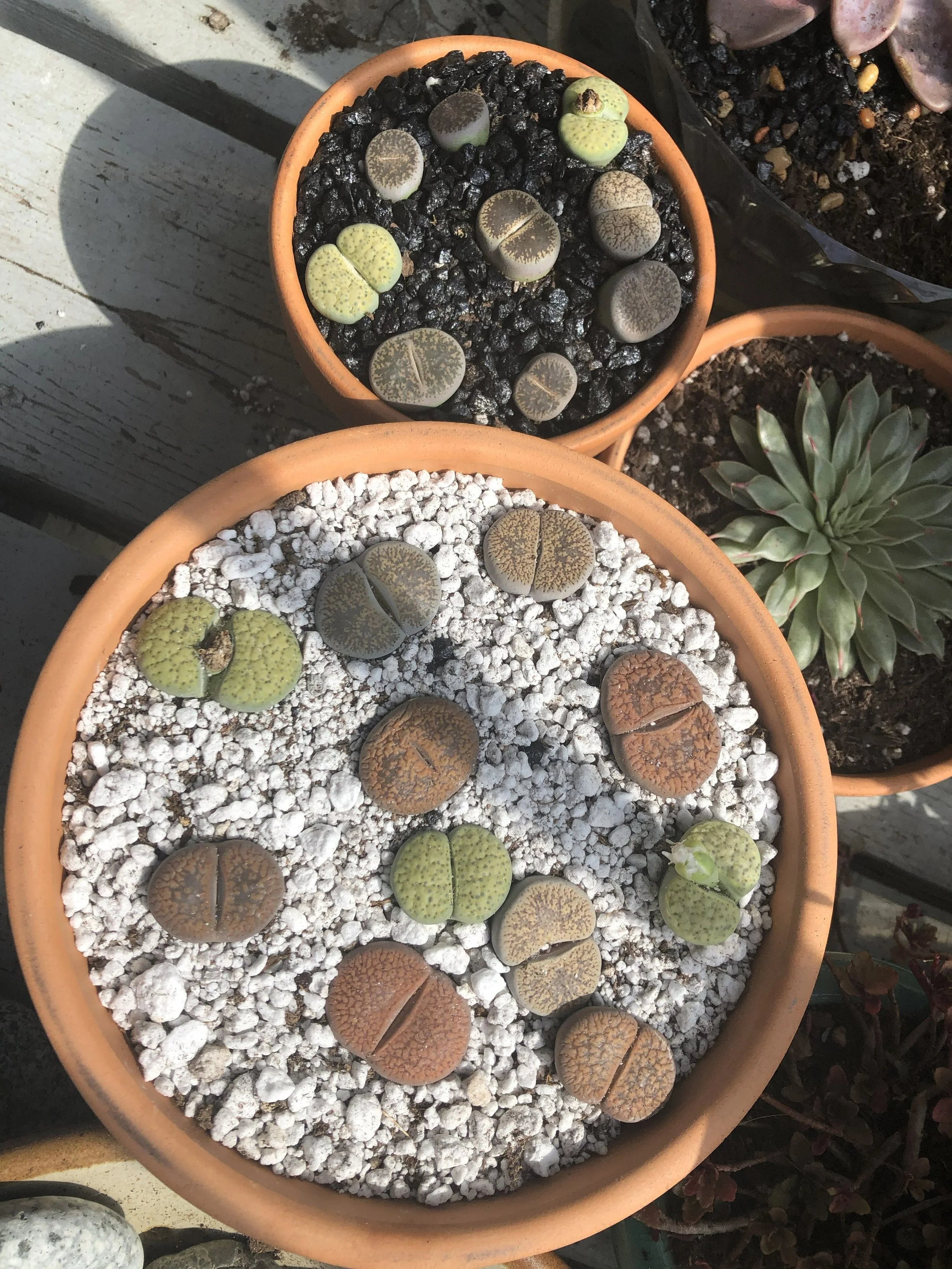
Lithops
LIVING STONES
Lithops are exciting little plants, surprisingly easy to take care of. As long as you have enough light and the right substrate, they thrive when left alone.
They reproduce by splitting down the middle, to reveal a larger plant or multiple little ones underneath.
LIGHT
Bright, south window or outdoorSOIL
Depends on where you live. In NM, you want 80% rock with 20% soil. This maintains a little moisture in the dry climate. Everywhere else (where humidity is higher), 90% rock with 10% soil.Recommendations: Pumice, chicken grit, zeolite, lava rock, worm castings, Black Gold Cactus Mix
HUMIDITY
Very lowWATER
In Summer, once a month.
In Winter, never.
When splitting, not unless wrinkly.TEMPERATURE
65-95°FSPECIAL CONSIDERATIONS
If the plant is splitting, do not help it.Don’t tear the petals.
Don’t try to remove flowers after they die.
These plants are not like other succulents. Any damage to their body will likely result in death.
When I say they thrive if you leave them alone, I mean it.
-
![]()
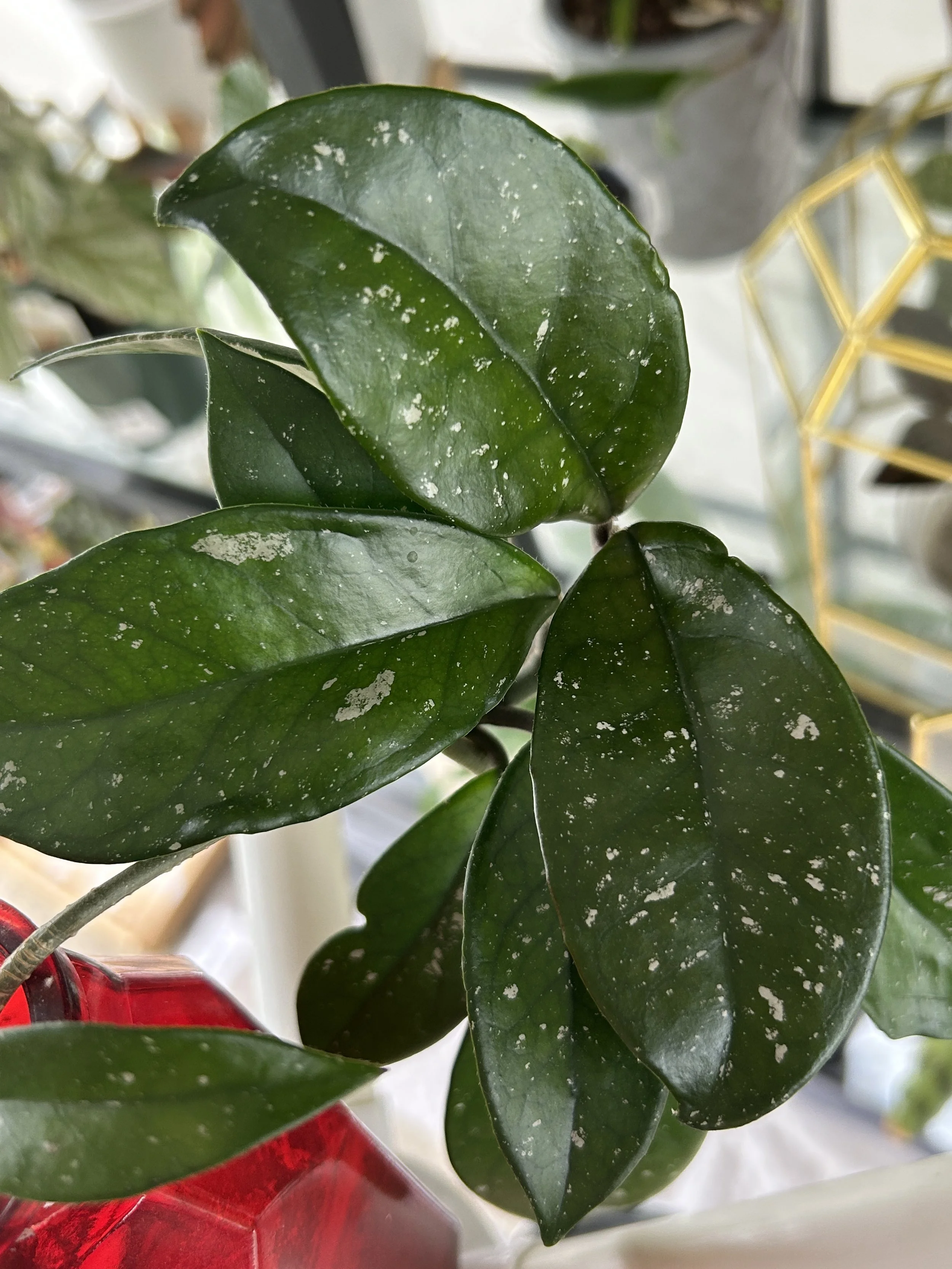
Hoya
Hoyas actually behave a little like orchids. Why? Because they are epiphytic as well, meaning they grow attached to trees and pull moisture from the air. Their roots are similar too; thick with a little 'string’ inside. If you can see the string come out of the roots when you touch them, you know your roots are rotting.
Hoyas are tropical vining plants with clusters of fragrant “rubbery-looking” flowers.
Unlike orchids, Hoyas don’t need to be constantly watered. The texture of their leaves will let you know.
LIGHT
Bright, indirect. Great for kitchens and can survive under mild grow lights without scorchingSOIL
Chunky and airyRecommendations: Bark, pumice, chicken grit, fern fiber, charcoal, worm castings, Black Gold Cactus Mix
HUMIDITY
40-65%WATER
Reduce water in Winter
Allow to dry out between waterings - the leaves store waterTEMPERATURE
65-80°FSPECIAL CONSIDERATIONS
This is another great find for New Mexico plant lovers because they don’t need too much water or humidity and can tolerate a lot of light.If your Hoya is growing really slowly or not blooming, it may need even more light.
-
![]()
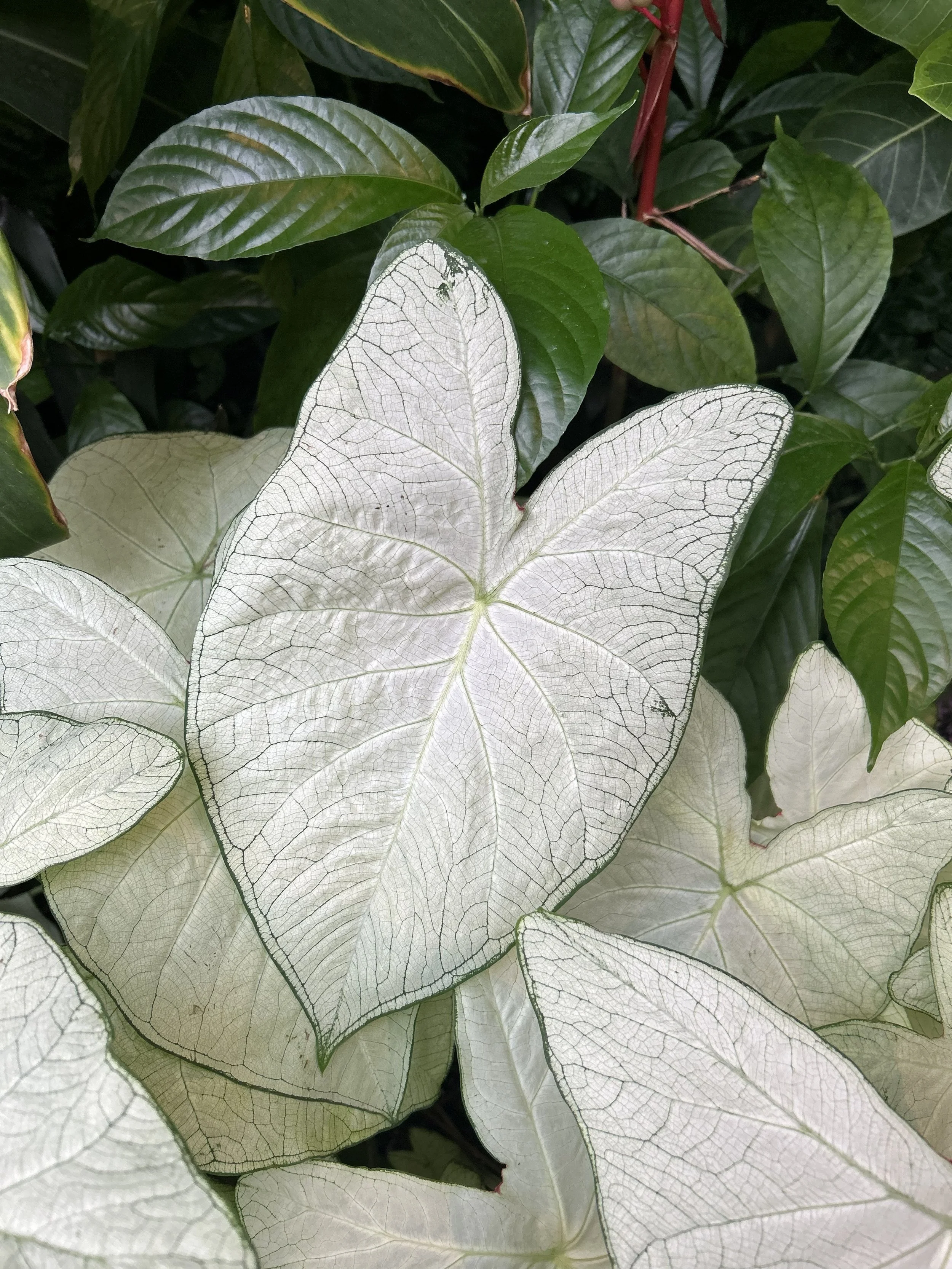
Caladium
Caladium are truly stunning tropical plants that grow from bulbs. Their heart-shaped leaves can be red, pink, white, green or any combination of those.
Not beginner-friendly but very rewarding, these plants cannot tolerate swings in temperature and are truly seasonal, just for Summer months. Dormancy isn’t just triggered by cold or darkness but also age of growth, season, and energy depletion. Indoor conditions can only extend growing seasons.
During the off season, store bulbs in a warm, dry place to regrow next year. Allowing the bulbs to rest will allow for larger, better growth later.LIGHT
Gentle, filtered lightSOIL
Moisture-retentive but well-drainingRecommendations: Peat, pumice, perlite, vermiculite, worm castings, fine fern fiber, charcoal, chicken grit, sphagnum moss
HUMIDITY
50-70%+WATER
Water when top layer feels slightly dry; frequent waterings about every 1-2 days as needed. Frequent misting.TEMPERATURE
70-85°FSPECIAL CONSIDERATIONS
Goes dormant (loses all leaves) naturally once a year, and in cold weather spikes.
Can work on outdoor patios but only if very well shaded and if nighttime temps don’t dip below 50. Still needs to be misted when outside.
Does well when grouped together with other plants.
-
![]()
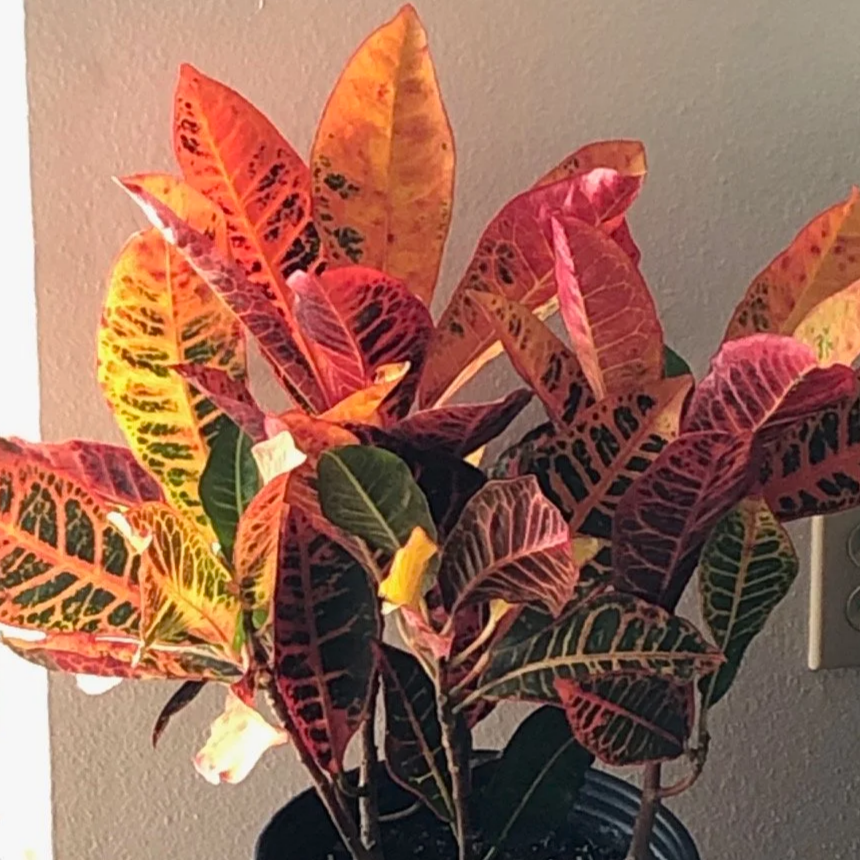
Croton
Crotons are striking plants that usually feature bright orange, red, and yellow leaves. They’re especially popular in the Fall.
There are over 100 known varieties of Croton, some with wide leaves and some with slender leaves.
While these plants can survive in New Mexico, they have specific needs involving light, humidity and consistency of care.
LIGHT
Bright, direct. In order to keep a croton happy, they need lots and lots of light. It is possible in NM to get too much light, however. Leaves can burn if left in windows during Summer days when temps are over 100°F.SOIL
Well-draining but moisture-retentiveRecommendations: Peat, pumice, perlite, bark, worm castings, fern fiber, chicken grit, sphagnum moss
HUMIDITY
50-70%WATER
Water when top 1 inch is dry. Consistency is key; they like routine waterings and don’t like soggy roots. Mist regularlyTEMPERATURE
65-85°FSPECIAL CONSIDERATIONS
Humidity is important. Group with other plants or run a humidifier nearby.
Avoid cold drafts, heat drafts and sudden temperature swings
Set them and leave them; they don’t do well being moved around